Living Fashion
Inspired by The Modern Goddess: A Design Philosophy
How five designers embrace creativity, empowerment and self-expression.
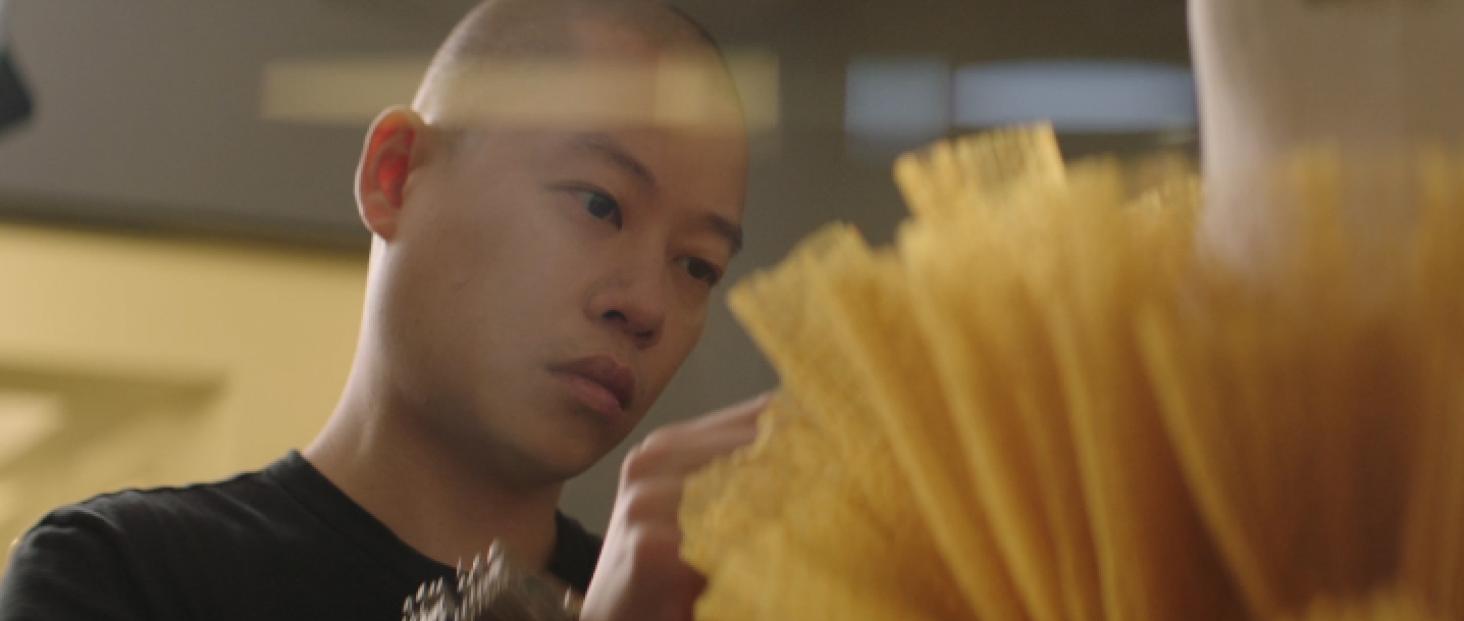
A goddess who appeared in dreams, casting visions of your future. A source of enlightenment and of inspiration. That’s the story behind our namesake: the ancient Greek water goddess, Brizo. And now, we’ve reimagined that story for today.
Introducing The Modern Goddess. A muse for self-expression and creativity. A vision—inviting each of us to create a life of beauty, on our own terms. We asked five designers how they embrace that philosophy, empowering their clients and making dreams into reality. Here’s what they had to say:

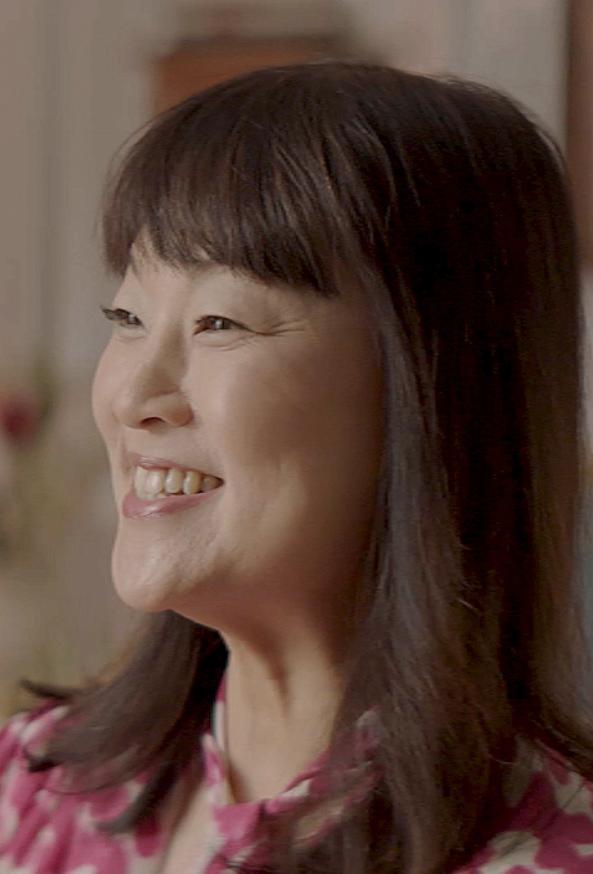
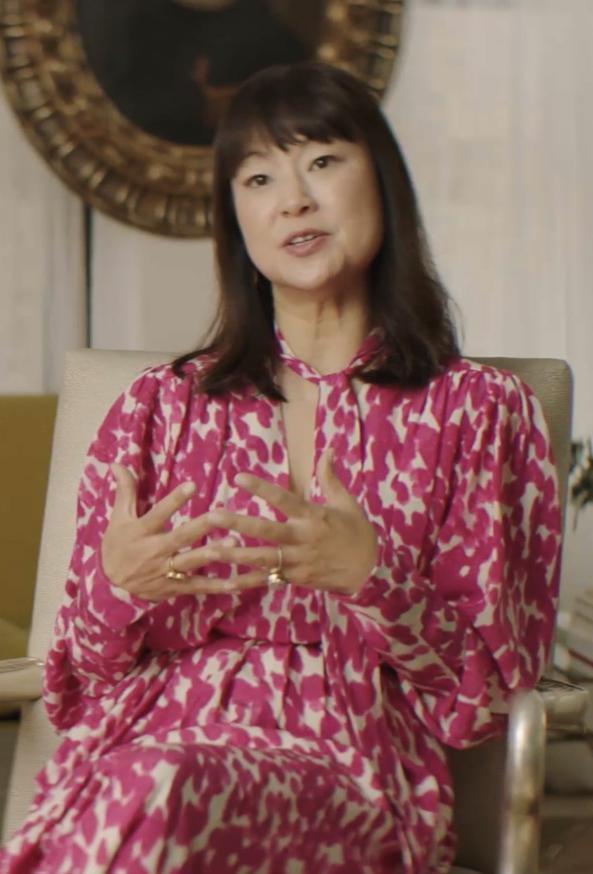
Left to right: Tiffany Thompson, founder of Duett Interiors / Jason Wu, fashion designer / Young Huh, founder of Young Huh Interior Design / Heidi Woodman, Haus Love Interiors / Tommy Zung, principal architect at Studio Zung
What does The Modern Goddess design philosophy mean to you?
Tiffany Thompson: The Modern Goddess design philosophy is about having confidence in what we do, confidence in how we show up and how we bring the vision of the client to life.
Young Huh: I love the fact that Brizo was the ancient goddess of dreams. Dreams are our inner conscience, the things we wish were true. I see The Modern Goddess design philosophy as fearlessly pursuing what you want—not being afraid to express yourself.
Tommy Zung: I love The Modern Goddess philosophy because it celebrates choice.
It celebrates individuality. There’s no judgment. We all have to create the space that makes sense for us.
How do you help clients create a life of beauty, on their own terms?
Jason Wu: It’s so important to celebrate diversity, variety and creativity. Beauty doesn’t come in just one form. What I do as a fashion designer is always to enhance who someone already is—not change them into someone else. I’m just bringing out the best version, the self they want to present to the world.
Heidi Woodman: I believe self-expression is a form of self-love. I try to bring out my clients’ passions and inspirations in their spaces. Because we’re all different. We’re all unique. And we all need to stay true to ourselves. That’s what makes the world go round.
Tommy Zung: At my studio, we talk about “the artistry of living.” What we mean is that everybody has a different relationship with the spaces they inhabit. No one person’s artistry of living is the same as someone else’s. As architects and designers, it’s our job to make mindful, tailored choices that enhance our clients’ well-being. That’s great design.

What’s your design process like?
Heidi Woodman: Every project is different because all my clients are so different. I really don’t love using just one genre when I design. I follow my heart. I really like to source what speaks to me and what I would think would speak to my client. And when I find that special piece, it’s the best feeling in the world.
Tiffany Thompson: Design has no recipe. There’s no rules to it. So for me, it all starts with a conversation. I ask a lot of questions that don’t have anything to do with the actual house: “Where have you traveled? What inspires you? Who do you want to become?” It’s really a fun conversation because my clients don’t expect it. They think I’m going to focus on design, but instead, we start by focusing on who they are.
Young Huh: We always say we’re not interested in doing just one thing, one signature design style over and over again. We try to embrace the client brief and approach each project fresh. I believe every person is looking for a certain emotion in their rooms. Our job is to discover what that is, then make it a reality. It’s not about imposing our ideas. It’s about giving them a voice.
How do you gather inspiration?
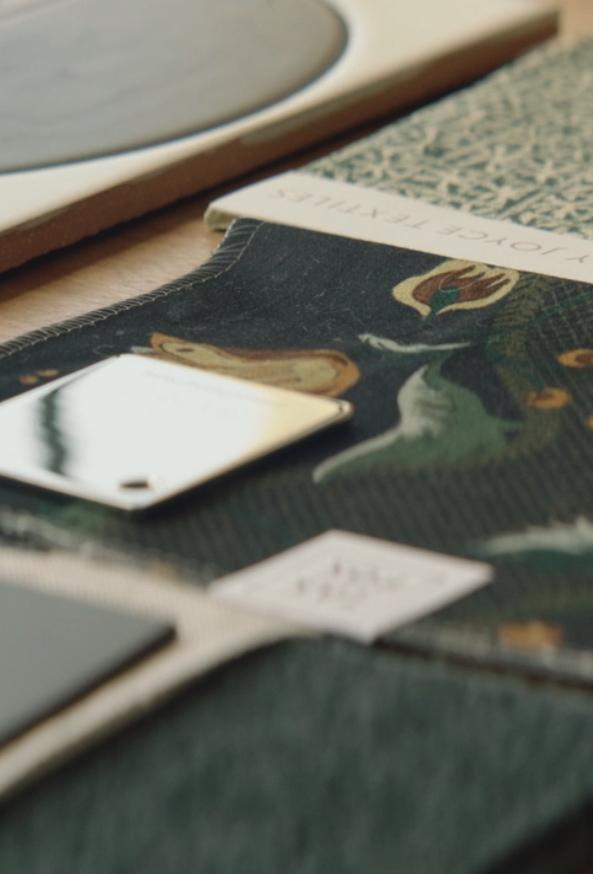
Jason Wu: I gather inspiration from everything and everywhere. It might be from travel. It might be from Instagram. Designers are kind of like blenders. We start with all these ingredients that seem different, then we distill it into a singular idea or concept.
Tommy Zung: We never look to the world of interior design for its trends, for its colors, et cetera. We always look at nature for inspiration. Nature never lies. Maybe your palette comes from a sunset in Morocco. Similarly, in architecture, we look to sculptors and artists for our inspiration. Incorporating other disciplines is so important.
Tiffany Thompson: I’m not a fan of perfection. I think it’s boring. I love wabi-sabi design and celebrating so-called flaws. We’re going to embrace vintage furniture. We’re going to embrace things that have lasted. We’re going to embrace the patina. I think part of The Modern Goddess design philosophy is owning what makes you you, not chasing someone else’s idea of perfection.

What’s a success to you? What do you want a client to feel when they experience your design?
Young Huh: I remember we had this project in the Hamptons, and my client said, “I’d really like a red bedroom, but I know that’s so weird. It’s not the right style for the Hamptons.” And I said, “Why not? If you love it, if you want it, let’s find a way to make it work.” To me, that’s the most successful kind of project—when we can deliver what they want, what they’re maybe afraid to ask for, and it’s beyond what they imagined.
Jason Wu: Walking into a beautiful space can change your whole state of mind. It’s like wearing something beautiful. It’s a mood enhancer. My hope is that the Jason Wu for Brizo™ collections continue to inspire those kinds of spaces. So people can surround themselves with what they love and feel like the best versions of themselves.
Heidi Woodman: When my clients come home, I want them to feel as if they’re still on vacation. As if beauty is everywhere around them, down to the last detail. And I want them to feel inspired and seen. When their friends walk in for the first time, I hope they look around and say, “This is so you.” Because your home should truly be a reflection of who you are.